
Waterloo Region runs on teams that eat together. Between uptown Waterloo, the David Johnston Research + Technology Park, the University of Waterloo and the innovation district around downtown Kitchener, there is a lot of lunch being ordered — and most of it is the same three platters from the same two places. This is a short guide to doing it better.
Start with the headcount, then the reasons people can't eat things
The two numbers that shape every corporate order are how many people and how many of them have a dietary requirement. In a tech office the second number is usually higher than you expect: vegetarian, vegan, gluten-free, nut-free, halal-friendly and dairy-free are all normal on a team of twenty. Collect them once, in writing, and hand them over with the order. A good caterer builds the menu around them rather than adding a sad side salad afterwards.
At Claire’s Kitchen every corporate menu is custom, so the requirements go in first and the menu comes out of them. Dishes are labelled so nobody has to ask.
Drop-off or on-site?
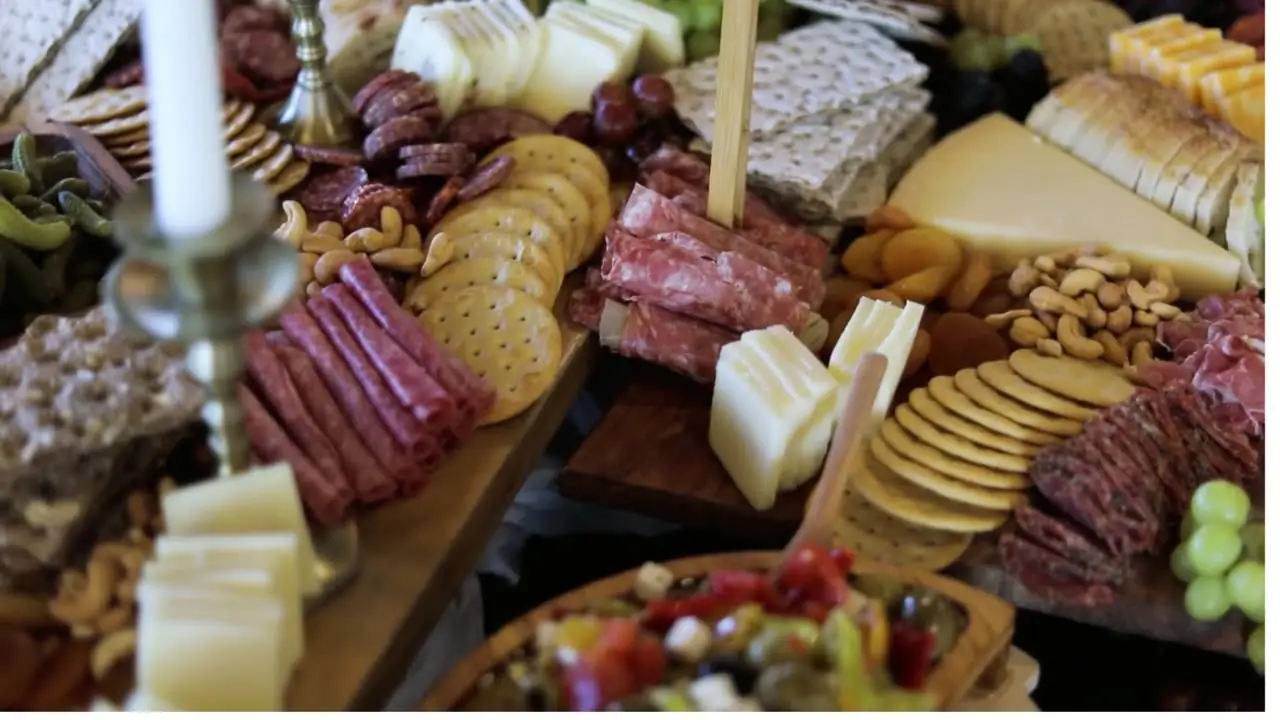
Drop-off catering arrives ready to serve. It suits working lunches, sprint reviews, workshops and anything where people help themselves and get back to their desks. It is the workhorse of office catering and, done well, it looks nothing like a tray of sandwiches.
On-site catering means the food is set up, presented and served. It suits client visits, launches, board dinners and end-of-quarter events where the meal is part of the occasion. Both are available across Kitchener-Waterloo; the enquiry form asks which you need.
The recurring team lunch
The single most useful thing a growing team can set up is a standing weekly lunch. It gets people into the office on the same day, it removes a recurring admin task from whoever keeps ending up with it, and a weekly rotating menu means nobody is eating the same thing twice. Claire’s Kitchen quotes recurring arrangements as a schedule rather than a series of one-offs — choose ongoing, every week on the enquiry form and describe the day and the headcount.
Lead time
Advance notice is recommended, and the bigger the group the earlier the better. A lunch for twelve is a different job from a launch for eighty. Send the date and the headcount as soon as you have them, even if the menu is not settled; availability is confirmed quickly and the menu can follow.
What to tell your caterer
- Date, time the food needs to be ready, and the address (and where to park at the R+T Park or downtown Kitchener).
- Headcount, and how firm it is.
- Every dietary requirement, by name.
- Drop-off or on-site, and whether you need it cleared away.
- The occasion. A working lunch and a client dinner are different menus.
Why a chef rather than a platter company
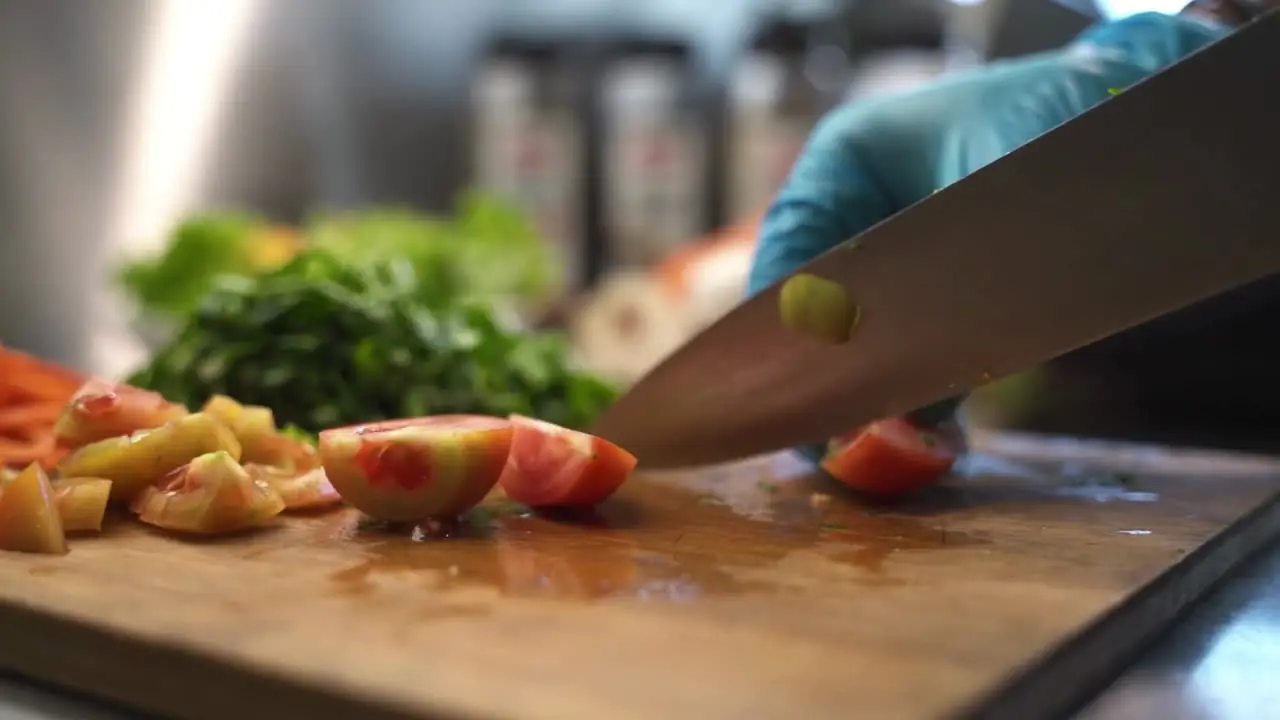
Claire Armstrong has spent nearly twenty years in professional kitchens and food companies. The food is cooked in small batches, never mass-produced, and the menu is written for your team on that day. If your office has been running on the same rotation of wraps and pasta salad, that is the difference you will notice first.